

Cranston Landscape Services
Sign up now for autumn service and enjoy a vibrant, worry-free yard all season long!
Get a Free QuoteLandscape Services Tailored for Cranston, Rhode Island
Expert Lawn Care for Cranston’s Unique Environment
Cranston’s residential landscapes face distinct challenges shaped by the city’s climate and geography. Winters bring salt exposure from road treatments along Park Avenue and Reservoir Avenue, which can stress turf and ornamental plantings. In the summer, neighborhoods near Meshanticut Park and the Pawtuxet River often contend with drought stress and shaded lots from mature tree canopies, making grass selection and irrigation strategies crucial. Sloped yards in areas like Oaklawn are prone to soil erosion, requiring tailored solutions for stability and healthy growth. For more information about local resources and city services, visit the City of Cranston’s official website.
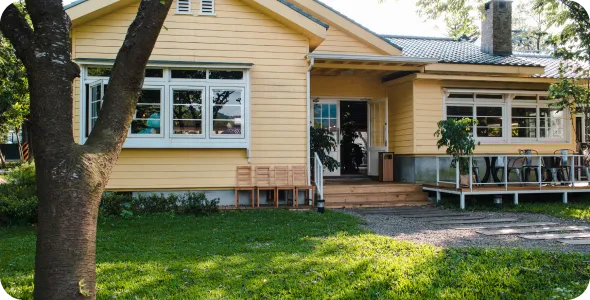
Our Cranston Landscaping & Yard Care Services
Cranston Gardening Services
Cranston Yard Clean Up
Why Choose Cranston Landscape Services

Cranston Homeowners Trust Us
-
Expert Lawn Maintenance
-
Reliable Seasonal Cleanups
-
Efficient Snow Removal
-
Competitive Pricing
-
Professional Team
-
Satisfaction Guarantee
Contact Your Local Cranston DPW or Parks Department for Green Waste Info
Cranston’s Department of Public Works (DPW) and Parks & Recreation Department coordinate comprehensive green waste management programs to support responsible lawn care and environmental compliance. Residents benefit from seasonal curbside yard waste collection, typically running from April through early December, which includes grass clippings, leaves, and small branches. Yard waste must be placed in biodegradable paper bags or open barrels (plastic bags are prohibited) and set out on regular trash days. For larger debris, such as brush and branches, special pickup arrangements can be made by contacting the DPW. The city operates a composting facility at the Transfer Station, where residents with valid permits can drop off bulk yard waste during posted hours. Free compost is often available to residents for use in gardens and lawns. Commercial landscapers must register with the city and adhere to disposal fee structures and proper handling of treated or contaminated materials. Disposing of lawn waste in streets, storm drains, or regular trash is strictly prohibited to protect water quality and comply with stormwater regulations.
Cranston RI Department of Public Works
869 Park Avenue, Cranston, RI 02910
Phone: (401) 780-3175
Official Website: Cranston RI Department of Public Works
Lawn Care Regulations & Permits in Cranston, RI
Lawn care in Cranston is governed by a combination of state and local regulations designed to protect public health, water quality, and neighborhood standards. Rhode Island law restricts phosphorus fertilizer use except for new lawns or when a soil test indicates deficiency, and mandates buffer zones of at least 25 feet from water bodies for fertilizer and pesticide applications. Nitrogen content in fertilizers is limited, and slow-release formulations are encouraged. Commercial pesticide applicators must be licensed through the Rhode Island Department of Environmental Management (DEM), with notification requirements for sensitive sites such as schools and organic farms. Integrated Pest Management (IPM) is promoted to minimize chemical use. Locally, Cranston enforces outdoor watering restrictions during droughts, often using odd/even address systems and time-of-day limits. Noise ordinances restrict lawn equipment operation to 7:00 AM–8:00 PM on weekdays, with reduced hours on weekends. Commercial operators must register with the city, maintain liability insurance, and comply with vehicle and equipment staging rules. Permits for major landscaping work or irrigation system installation are obtained through the city’s Building & Public Works Department.
Cranston RI Building & Public Works Department
869 Park Avenue, Cranston, RI 02910
Phone: (401) 780-3175
Official Website: Cranston RI Building & Public Works Department
What Neighborhoods Do We Serve in Cranston, RI?
Cranston’s diverse neighborhoods each present unique lawn care challenges and opportunities. In Edgewood, historic homes and mature tree canopies create shade and compaction issues, requiring shade-tolerant grasses and regular aeration. Garden City’s well-drained soils support lush lawns but may need supplemental irrigation during dry spells. Western Cranston, including Oaklawn and Dean Estates, features larger lots with clay-rich soils prone to compaction and drainage challenges. Arlington and Auburn, with denser housing and smaller lots, often face soil pH imbalances and require careful fertilization. Knightsville’s proximity to wetlands necessitates strict buffer management and compliance with conservation regulations. Forest Hills and Meshanticut, near parks and water bodies, demand careful attention to runoff and stormwater management. Each area’s soil series, as identified by the USDA Web Soil Survey, guides fertilization and drainage strategies, while local microclimates influence grass species selection and maintenance schedules.
Partnering With Cranston’s Conservation/Environmental Department for Sustainable Landscaping
Collaboration with the Cranston Conservation Commission ensures that lawn care practices align with Rhode Island’s environmental protection laws. Properties near wetlands, streams, or conservation areas must observe buffer zones and limit fertilizer and pesticide use to prevent runoff and habitat disruption. Erosion control measures are required during lawn renovation projects, and organic lawn care methods are encouraged to reduce chemical inputs. The integration of native plants supports local pollinators and biodiversity, while rain gardens help manage stormwater in compliance with MS4 permit requirements. The Conservation Commission also promotes tree planting, community gardens, and climate resilience initiatives, fostering a sustainable landscape throughout Cranston.
Cranston RI Conservation Commission
869 Park Avenue, Cranston, RI 02910
Phone: (401) 780-3166
Official Website: Cranston RI Conservation Commission
Top Cranston Lawn Problems (and How We Solve Them)
Cranston’s cool-season climate and glacially derived soils present several common lawn health challenges:
- Snow mold (gray and pink) after prolonged snow cover
- Soil compaction from clay soils and freeze-thaw cycles
- Salt damage along roads from winter de-icing
- Grub infestations (Japanese beetles, European chafers)
- Dollar spot and brown patch fungus during humid summers
- Acidic soils requiring lime application
- Shade stress from mature trees
Science-based solutions include regular soil testing through the University of Rhode Island Cooperative Extension, targeted fertilization based on test results, core aeration to relieve compaction, overseeding with disease-resistant cultivars, and integrated pest management to minimize pesticide use. Proper mowing height, irrigation scheduling, and organic matter incorporation further enhance lawn resilience.
What Makes Lawns in Cranston Different From the Rest of Rhode Island?
Cranston’s location in USDA Hardiness Zone 6b, with a growing season from mid-April to late October, distinguishes its lawns from other Rhode Island areas. The city’s glacial till soils, often classified as Bridgehampton and Newport series, are moderately well-drained but can be acidic and compacted. Coastal influence moderates winter temperatures, reducing freeze damage but increasing humidity-related disease pressure. Urban heat island effects in central Cranston can accelerate spring green-up and extend the growing season. Proximity to Narragansett Bay introduces salt exposure risks in some neighborhoods. Historical land use, including former agricultural and industrial sites, affects soil fertility and drainage. These factors require tailored grass species selection—favoring Kentucky bluegrass, perennial ryegrass, and fine fescues—and adaptive management practices to address microclimate and soil variability.
Supporting Local Events in Cranston With Lawn Expertise
Cranston’s Parks & Recreation Department relies on professional lawn care practices to prepare public spaces for municipal events, youth sports leagues, and seasonal festivals. Athletic fields at Brayton Park and Meshanticut Park are maintained to high standards for safety and playability. The city coordinates volunteer cleanup days and beautification projects, often in partnership with local schools and community organizations. Emergency response teams assist with storm cleanup and debris removal following severe weather events. Educational workshops on sustainable landscaping are offered in collaboration with the University of Rhode Island Master Gardener Program and local garden clubs, supporting community engagement and environmental stewardship.
Cranston RI Parks & Recreation
1090 Cranston Street, Cranston, RI 02920
Phone: (401) 780-6169
Official Website: Cranston RI Parks & Recreation
Eco-Friendly Landscaping Backed by Cranston’s Green Initiatives
Cranston’s commitment to sustainability is reflected in its adoption of green technologies and eco-friendly landscaping practices. The city encourages the use of electric and battery-powered equipment to reduce emissions and noise, aligning with municipal climate action goals. Water conservation is promoted through smart irrigation systems, rain sensors, and proper scheduling to minimize disease risk. Organic lawn care methods, such as compost application and biological pest control, support pollinator health and reduce reliance on synthetic chemicals. Grasscycling—leaving clippings on the lawn—reduces waste and provides natural fertilization. The city’s renewable energy and sustainability programs further reduce the carbon footprint of municipal landscaping operations.
Proudly Serving These Streets and Areas in Cranston
Lawn care services in Cranston cover a wide range of neighborhoods and streets, each with distinct characteristics:
- Downtown/Central Cranston: Park Avenue, Rolfe Square, and the areas surrounding City Hall
- Edgewood: Narragansett Boulevard, Norwood Avenue, and neighborhoods near Roger Williams Park
- Garden City: Pontiac Avenue, Garden City Drive, and the Garden City Center district
- Oaklawn/Dean Estates: Oaklawn Avenue, Dean Parkway, and residential subdivisions west of Reservoir Avenue
- Knightsville: Cranston Street, Phenix Avenue, and areas near St. Mary’s Church
- Auburn/Arlington: Dyer Avenue, Auburn Street, and neighborhoods near Arlington School
- Forest Hills/Meshanticut: Meshanticut Valley Parkway, Cranston Street, and communities adjacent to Meshanticut Lake
- Western Cranston: Scituate Avenue, Hope Road, and rural areas bordering Johnston
Special considerations apply in historic districts (Edgewood, Pawtuxet Village), conservation areas (near Meshanticut Lake), and neighborhoods with active homeowner associations. Seasonal access limitations may affect some rural or flood-prone areas. All services are coordinated with municipal and state regulations to ensure compliance and environmental protection.
For additional guidance on soil testing, fertilizer regulations, and environmental compliance, residents can consult the following resources: